
Abrasive Wheels
This course is aimed at anyone who uses abrasive wheels, or employs people who use abrasive wheels as part of their work. It covers different types of abrasive wheel, safety in their use and how to identify the type of wheel.
Approved by IIRSM & CPD – Duration 100 mins* – £35.00

Achieving Food Hygiene Rating Level 5
This course is intended to give you an overview of how the National Food Hygiene Rating Scheme works, what the scoring criteria are and how these are assessed by the inspectors, the appeals process, the Safer Food Better Business management system, E-Coli and concludes with some practical advice for ensuring your premises gets the best score possible.
Approved by IOSH, CPD, IIRSM & Institute of Hospitality- Duration 50 mins* – £35.00

ADHD Awareness
ADHD is a chronic condition that creates a range of persistent symptoms such as difficulty sustaining attention, hyperactivity and impulsive behaviour. The course covers the definitions of ADHD, the different types of ADHD and how to recognise some key signs and symptoms. Beyond this the course will look at some of the possible causes of ADHD, how it is diagnosed and how it can be treated, including environmental changes, types of therapy and medication that can be prescribed.
Approved by CPD – Duration 45 mins* – £35.00

Alcohol Personal Licence Holder
This course is intended to provide you with the knowledge you need to complete the test to become a personal licence holder. It covers all the major topics relating to UK licencing law, responsibilities and penalties for breaching these. It also looks in detail at the issue of age verification including an interactive element to support learning in this area
Approved by CPD, Institute of Hospitality & Laser awards – Duration 90 mins* – £125.00

Allergen Awareness
This course covers general allergies, food allergies and food intolerances and explains the differences between them. It covers the 14 allergens controlled by legislation along with food additives and how they can trigger allergic reactions. It takes a detailed look at the symptoms of food allergies and takes in the wider picture discussing the current theories of why rates are increasing. It then finishes off by covering practical steps that can be taken to reduce the risk from allergens and also what steps can be taken both internally and externally to monitor the control measures.
Approved by IIRSM, Gatehouse Awards, Institute of Hospitality & CPD – Duration 100 mins* – £35.00
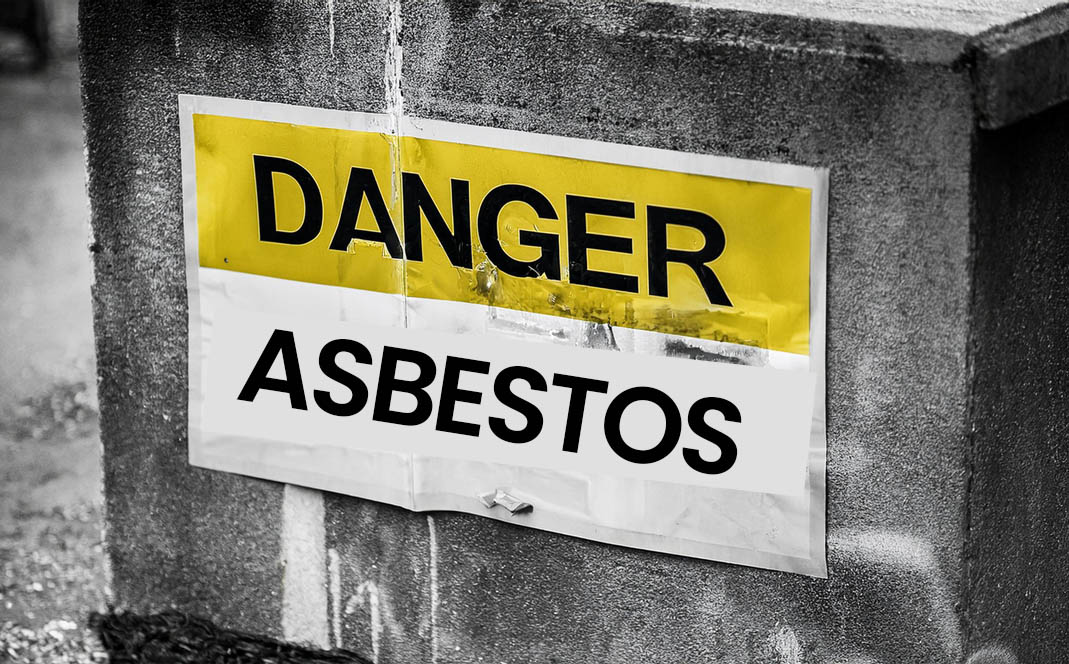
Asbestos Awareness
As well as informing you about the risks of working with asbestos, the course will deliver a lot more information about: Recognising asbestos, where it’s used, minimising the risks and the legislation about working with asbestos